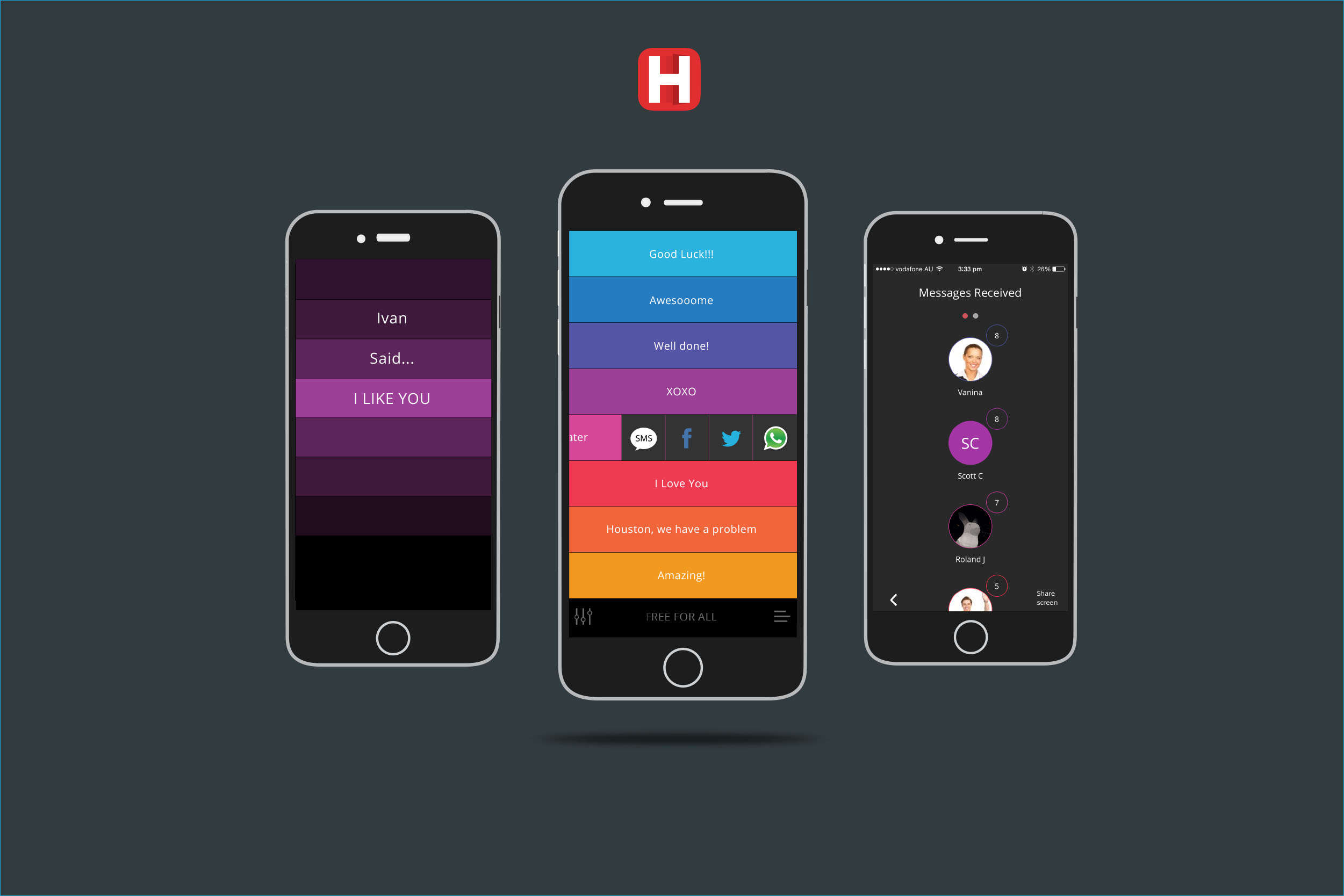
Replying message has never been easier | It’s fast. It’s easy. It’s simple.
OUR ROLE
Led the UX and UI process as Product Owner, driving researchers, UX, and UI designers to enhance the service. Focused on optimising message discovery and quick replies, balancing backend management with seamless front-end UX.
RESEARCH & ANALYSIS
A deep competitive analysis of native and non-native applications provided key insights, identifying gaps in market solutions and opportunities to streamline quick messaging experiences.
EXPERIENCE STRATEGY & VISION
Focused on optimising user flows and Red Routes, reducing steps, clicks, and complexity. The strategy prioritised efficiency, ensuring seamless interaction and faster task completion.
STRATEGIC PLANNING & SCOPE
Collaborative planning with all stakeholders helped identify risks early, streamline decision-making, and define a clear roadmap—minimising inefficiencies and ensuring a smooth execution.
OVERSIGHT & COORDINATION
Worked closely with CTO, backend leads, and developers to translate UX/UI into a functional product. Developed a structured design handoff process to streamline remote team collaboration.
USER FEEDBACK & WORKSHOPS
Established a structured feedback loop, ensuring alignment on feature objectives. Workshops facilitated deeper understanding and iterative improvements based on real user insights.
PROCESS
EMPATHISE – DEFINE – IDEATE – PROTOTYPE – TEST
THE CHALLENGE
IMPROVE THE MESSAGING EXPERIENCE
Less clicks, Send and track ready-made messages in one quick go
EMPATHISE
The Problem + Value proposition
Usually people struggled with quick replies during busy moments, highlighting a need for an efficient, intuitive solution to streamline short-message responses.
DEFINE
Based on the observations, insights.
DEFINE
- 75% of users respond with three words or fewer.
- Quick replies feel tedious and inconvenient to type.
- Common responses include "OK," "Right," "OMW," and "Call you later."
- Users actively seek apps that help them save time.
- Picking up the phone for short replies is seen as a hassle.
- Users categorise responses into three main types: Friends, Business, and Love.
IDEATE
At this point, we realised what the problem was and who we were designing for
Workshops simulated real-world "busy times," generating innovative solutions through collaborative brainstorming. Insights revealed users rely on three message types—Love, Friends, and Business—guiding the direction of quick-response functionality.
Following Brainstorming principles from IDEO:
Defer judgement. Encourage wild ideas. Build on the ideas of others. Stay focused on the topic. One conversation at a time. Be visual. Go for quantity.
PROTOTYPE
Every prototype was based on a set of hypotheses
Prototypes validated key hypotheses, testing functionalities in real-world busy contexts. User feedback prioritised essential features, refining the strategy and guiding decision-making.
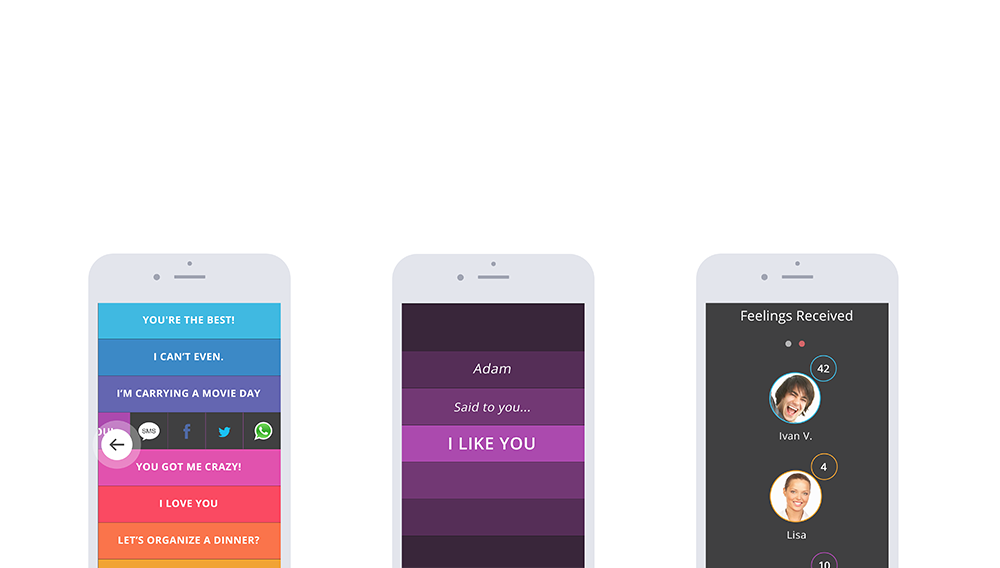
Wireframes
TEST
Testing behaviors, not opinions
Tested real-world behaviours, not opinions, to validate design effectiveness. Observations showed users engaging primarily with the lower 50% of the screen, informing key usability refinements.
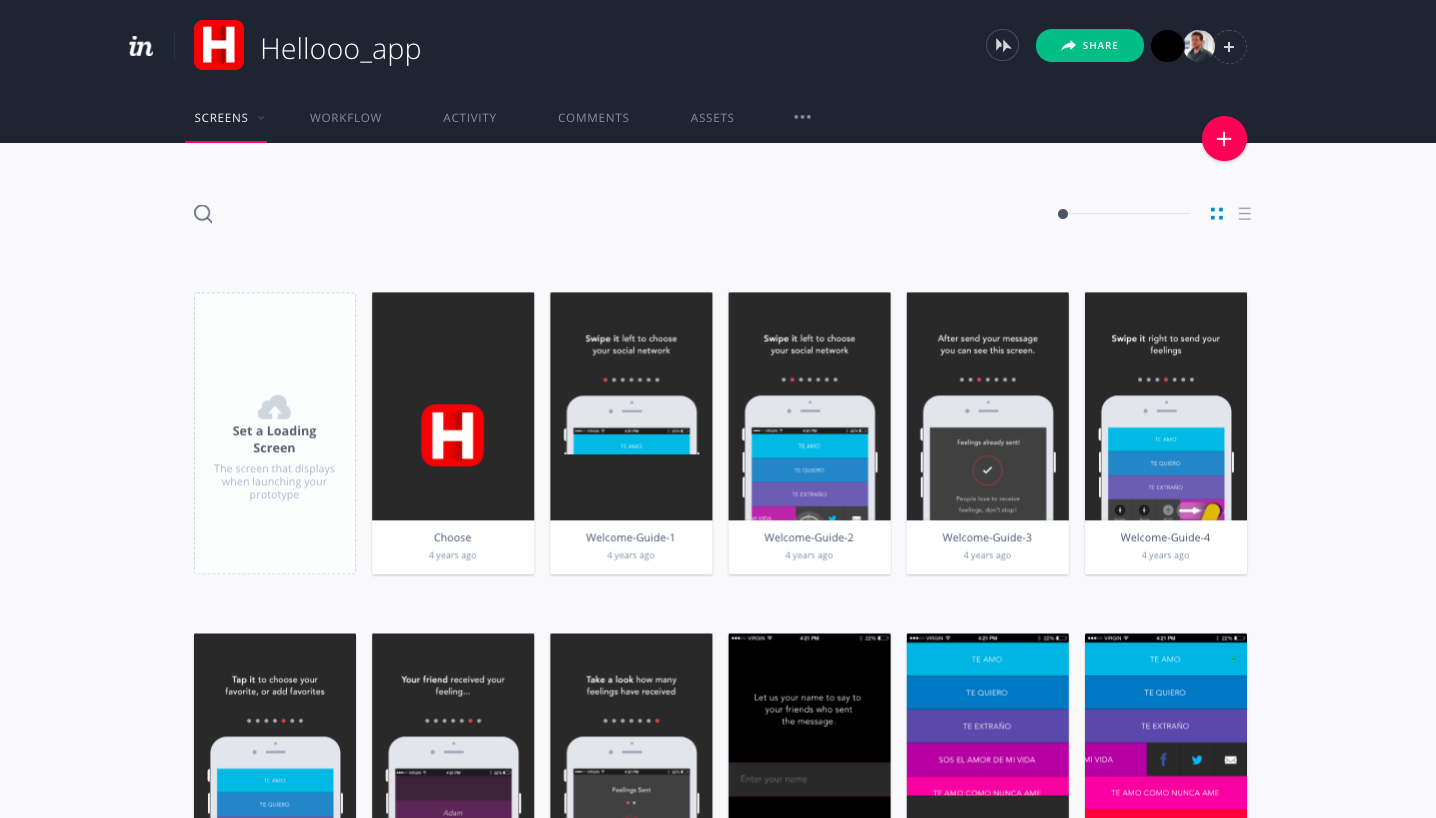
Prototype on Invision
User Flow and Red Routes
API INTEGRATION & FINAL EXECUTION
Pulling The Trigger
After extensive research on competitor Red Routes, the solution streamlined quick-message tracking and sending, delivering a frictionless, high-efficiency user experience.